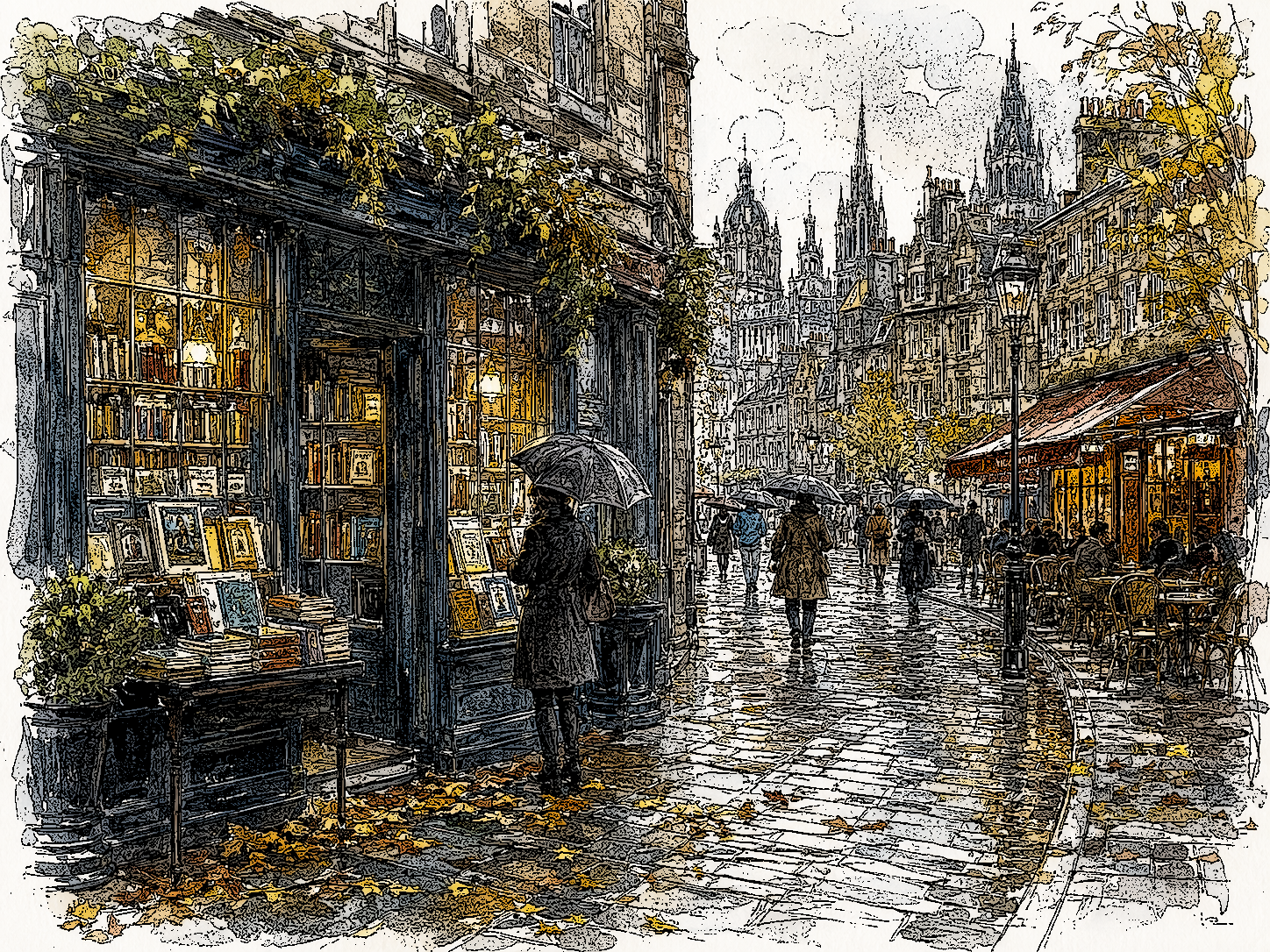
Today, we’re diving into something that can truly elevate your cultural tour packages: living history museums.
Recent industry data reveals that 76% of travellers now prioritise authentic, immersive experiences over traditional sightseeing, with experiential travel bookings showing a remarkable 85% growth since 2019. This shift, amplified by post-pandemic travel trends, demonstrates how visitors increasingly seek meaningful connections with local culture and heritage.
Living history museums perfectly address this demand. These dynamic environments transform historical education into memorable experiences, allowing visitors to touch, taste, and participate in centuries of European traditions. Data shows that tours incorporating interactive historical experiences command a 25% higher booking rate and generate 30% more positive reviews than standard cultural tours.
I’ve carefully selected 10 exceptional living history museums that deserve a spot in your tour packages. Each venue enables your clients to step back in time, interact with skilled interpreters, and gain hands-on experience with traditional crafts and customs. From Viking ships in Denmark to medieval banquets in Ireland, these venues transform ordinary sightseeing into extraordinary memories.
Northern European Gems: Where History Takes Centre Stage

Skansen, Stockholm, Sweden
The world’s first open-air museum encompasses 150 historical buildings, from traditional farmsteads to a complete Sami camp. The museum pulses with year-round energy through seasonal events—from midsummer celebrations to enchanting Christmas markets. The combination of cultural heritage and native wildlife creates a uniquely Nordic experience. Visitors actively participate in traditional crafts before encountering elk and lynx in their natural habitat.

Den Gamle By, Aarhus, Denmark
Multiple eras of Danish life spring to life in this remarkable museum. The time-travelling concept features distinct neighbourhoods from the 1700s to the 1970s. Visitors move seamlessly from medieval workshops to groovy 1970s apartments. The authenticity extends to the smallest details—each grocery store stocks period-appropriate items. Multi-generational groups particularly value this museum, as it resonates with visitors of all ages through its diverse time periods.

Viking Ship Museum, Roskilde, Denmark
Active participation defines this extraordinary museum. Visitors sail actual Viking ship replicas during summer months and participate in traditional shipbuilding techniques. The museum houses genuine Viking ships recovered from Roskilde Fjord, combining archaeological treasures with hands-on experiences. The interactive approach transforms a museum visit into an authentic Viking adventure.

Maihaugen Open-Air Museum, Lillehammer, Norway
This comprehensive journey through Norwegian life spans from medieval times to the modern era across 200 buildings. The museum excels in showcasing everyday life across different social classes and time periods. The residential area, furnished according to different decades, demonstrates the evolution of Norwegian homes. Winter visitors experience magical Nordic traditions through authentic Christmas celebrations.
British Isles Heritage: A Journey Through Time

Beamish Museum, County Durham, England
This living, breathing time capsule of Northern England transports visitors through history via authentic trams and buses from the 1900s. Visitors actively engage with Edwardian stores, taste freshly baked goods made from century-old recipes, and explore real coal mines. The traditional confectionery shop, producing sweets using historical methods, consistently delights visitors of all ages.
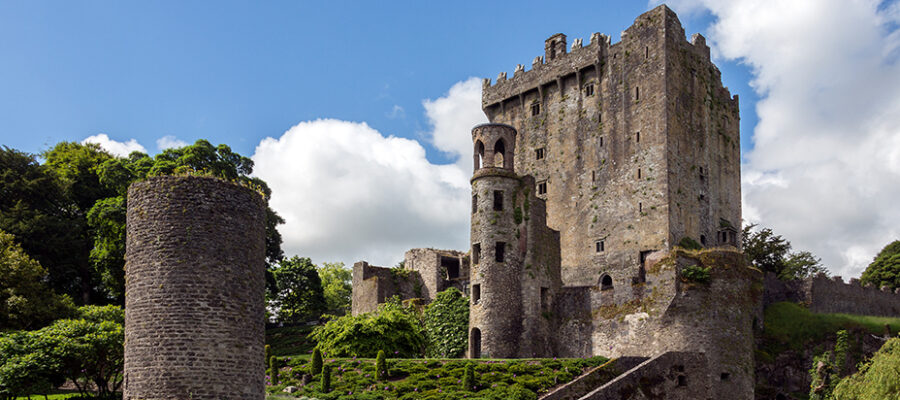
Bunratty Castle and Folk Park, Ireland
Medieval Ireland springs to life through immersive evening banquets and daytime village experiences. The folk park recreates 19th-century Irish village life with meticulous attention to detail. Visitors explore traditional cottages and crafts by day, then participate in period music and feasting by night. Traditional storytelling sessions weave Irish folklore and myths into the experience, creating deep cultural connections.

St. Fagans National Museum of History, Cardiff, Wales
Welsh heritage thrives across 40 original buildings, each carefully relocated and rebuilt. Craftspeople demonstrate traditional skills daily, from blacksmithing to bread-making, while visitors participate in ancient Welsh crafts. Working farms and gardens showcase the natural rhythm of Welsh life, demonstrating how seasonal changes shape traditional practices.
Continental European Highlights: Where Spectacle Meets History

Puy du Fou, Les Epesses, France
Historical theatre achieves epic proportions at this revolutionary venue. Vikings emerge from underwater in longships, knights engage in authentic jousting tournaments, and gladiators battle in a Roman arena. The evening spectacular, “Cinéscénie,” employs 2,000 actors and groundbreaking special effects to bring history to life. The immersive shows particularly resonate with family groups and theatrically-minded visitors.

Bokrijk Open-Air Museum, Genk, Belgium
This innovative museum combines historical immersion with active exploration across 120 historical buildings spanning the 17th to 20th centuries. Visitors observe artisans at work, participate in traditional craft workshops, and explore the distinctive “Sixties” section. The integration with cycling paths creates perfect opportunities for combining cultural immersion with outdoor activity.

Romanian Peasant Museum, Bucharest, Romania
Eastern European traditions come alive through hands-on engagement with Romanian rural culture. Visitors participate actively in weaving, pottery, and traditional cooking workshops, learning skills passed down through generations. Seasonal exhibitions coincide with traditional festivals, adding authentic cultural dimensions to the experience.
Making the Most of Living History Museums in Your Packages
Enhanced Experience Combinations
These museums flourish when paired with complementary local experiences. Combine traditional crafts workshops with local artisan visits, or link historical banquets with regional food tours. The Romanian Peasant Museum’s cooking workshops naturally complement visits to local markets, while Skansen’s craft demonstrations pair perfectly with Stockholm’s design quarter explorations.
Seasonal Programming Opportunities
Each season unlocks unique experiences within these venues. Summer brings vibrant outdoor demonstrations and extended hours, while winter transforms Scandinavian sites into festive wonderlands. Spring and autumn showcase traditional harvesting and crafting techniques, creating distinctive seasonal tour opportunities.
Cross-Cultural Connections
These museums excel at demonstrating how European traditions interconnect. Build themed tours around specific crafts, architectural styles, or historical periods. Traditional weaving demonstrations at St. Fagans naturally complement textile traditions showcased at Bokrijk, while maritime heritage links the Viking Ship Museum to coastal cultural sites.
Conclusion
In today’s experience-driven travel market, these living history museums deliver authentic connections with Europe’s rich heritage. They transform traditional sightseeing into interactive adventures where visitors actively participate in history rather than merely observing it.
Including these venues in your cultural tours creates time-travel experiences that generate lasting memories. The combination of sailing Viking ships, feasting in medieval castles, and witnessing spectacular historical recreations distinguishes your packages in the marketplace.
Europe Incoming stands ready to arrange special access, group bookings, and unique experiences at all these venues. We specialise in creating extraordinary historical journeys for your clients.