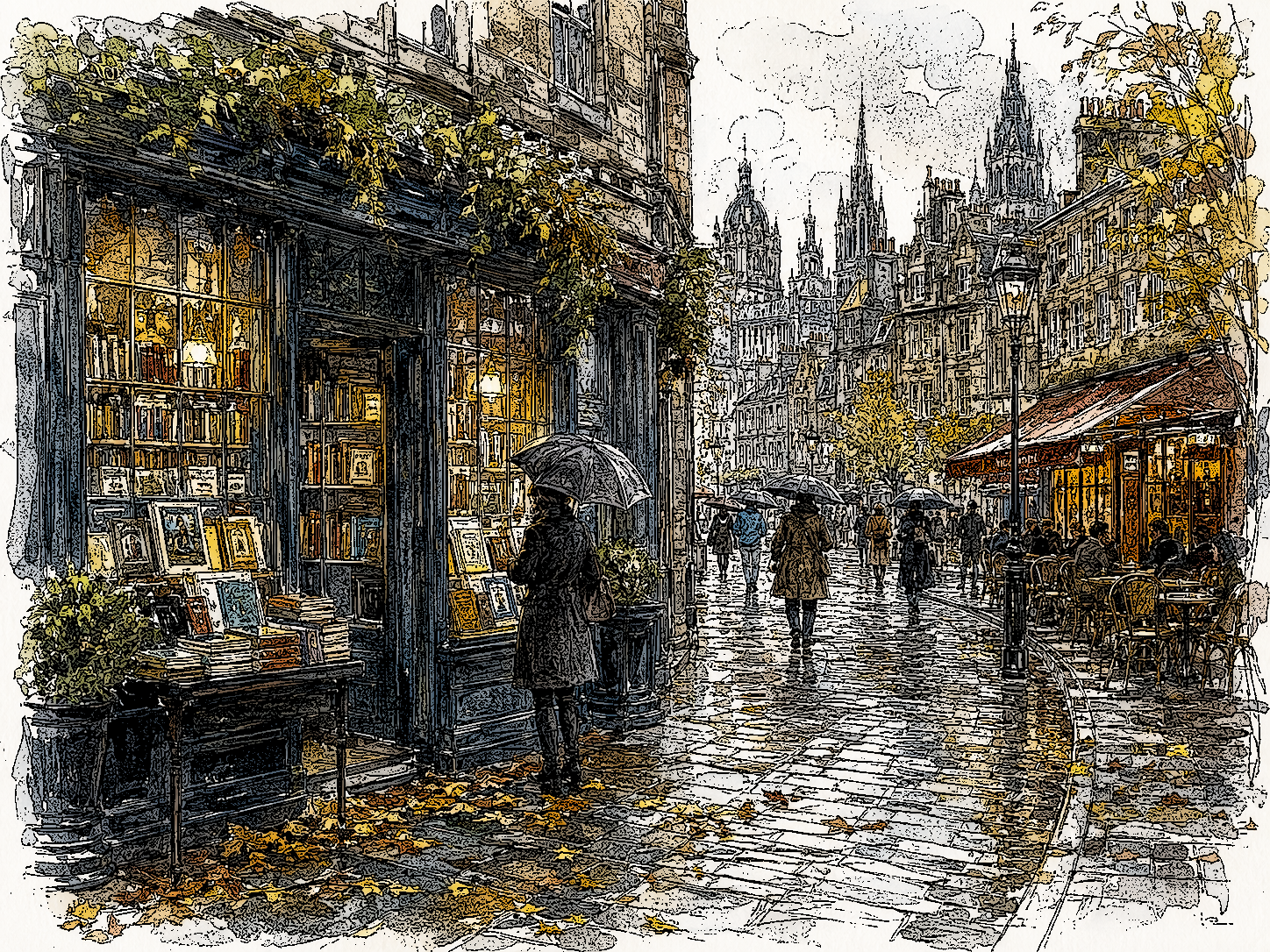
There is no mystery around why travellers love Europe in summer.
The long days. The café tables spilling onto pavements. The historic centres glowing in late afternoon light. The coastlines, museums, markets, festivals, food, architecture, gardens, mountains, and postcard moments that seem to appear around every corner.
Europe knows how to do summer.
The problem is that everyone else knows it too.
In many of the continent’s most famous destinations, summer travel now comes with a familiar set of pressure points: packed streets, full hotels, timed-entry bottlenecks, strained local communities, longer queues, higher prices, and itineraries that can feel more like crowd management than discovery.
Travellers still want Europe. They are not turning away from the continent.
But many are asking a better question:
Can we experience Europe without feeling swallowed by the crowd?
For travel agents and tour operators, this is where the opportunity sits. Not in abandoning the icons altogether, but in designing routes with more intelligence, better pacing, and a wider understanding of what Europe can offer beyond the most obvious stops.
The Demand Is Still There, But The Mood Is Changing
European travel demand remains strong. The European Travel Commission reported that 82% of Europeans planned to travel between April and September 2026, the highest level recorded since 2020. It also noted that travellers are becoming more cautious, with shorter stays and more moderate budgets shaping decisions.
So the issue is not a lack of appetite.
It is that travellers are becoming more selective about where their time, money, and energy go.
Overtourism has also continued to dominate travel conversations, especially around European hotspots such as Venice and Barcelona. Explore’s 2026 travel trends report points to “the rise of non-viral destinations”, with travellers showing more interest in places that feel less overexposed and more culturally grounded.
This shift matters because summer travel is no longer just about ticking off the biggest names.
For many travellers, the dream is changing from:
“We want to see everything.”
to:
“We want the trip to feel good while we are there.”
That is a small sentence with a big operational shadow.

Why The Classic Summer Route Can Start To Struggle
Paris, Rome, Venice, Barcelona, Amsterdam, Florence, Santorini, Dubrovnik, and other high-demand destinations are popular for good reason. They are culturally rich, visually powerful, and easy to sell.
But in peak summer, even brilliant destinations can become difficult to programme well.
A city that works beautifully in April may feel strained in August. A walking tour that feels magical in May may feel exhausting in a July heatwave. A famous square that looks dreamy in a brochure may feel less dreamy when the group is moving through it shoulder to shoulder behind three other flags and a guide trying not to lose anyone near a gelato queue.
For groups, the pressure is even more obvious.
Crowded destinations can affect:
- Coach access and parking
- Guide movement
- Timed-entry attractions
- Restaurant availability
- Hotel rates and room blocks
- Bathroom stops
- Walking pace
- Guest comfort
- Local resident sentiment
- The overall sense of ease
None of this means operators should stop selling iconic cities.
It simply means the itinerary needs to be designed around reality, not fantasy.
The Smarter Question: What Does The Traveller Actually Want?
When travellers ask for Europe, they are not always asking for the same three cities.
They may be asking for romance, history, food, art, scenery, family memories, religious heritage, literary connections, music, design, architecture, nature, or the feeling of being somewhere distinctly European.
Once you understand the real motivation, the map opens up.
A traveller who wants “Italy” may not only want Rome, Florence, and Venice. They may want regional food, coastal towns, hilltop villages, wine country, lakes, art, or family heritage.
A traveller who wants “France” may not only want Paris. They may want gardens, châteaux, countryside stays, river towns, wine routes, Normandy history, Provence markets, or Alpine scenery.
A traveller who wants “Spain” may not only want Barcelona and Madrid. They may want northern coastlines, Moorish architecture, food culture, pilgrimage routes, art, islands, or rural luxury.
That is where smarter summer travel begins.
Not by asking, “Which famous city should we include?”
But by asking:
What experience is the client really trying to have, and where can Europe deliver it well in this season?
Alternative Does Not Mean Second-Best
This is important.
Alternative destinations should never be positioned as the leftovers after the famous places are full.
That makes them feel like compromise.
In reality, many so-called alternative destinations offer better value, stronger atmosphere, easier movement, deeper local texture, and more memorable guest experiences than overburdened hotspots in peak season.
The goal is not to hide the fact that a route is different.
The goal is to sell the difference properly.
Instead of:
“We could not get space in the main destination, so here is another option.”
The positioning should be:
“This route gives your clients the culture, beauty, food, and atmosphere they want, with better pacing and fewer pressure points.”
That is a completely different conversation.
Better Alternatives To Europe’s Busiest Summer Hotspots
The right alternative depends on the client, budget, travel month, group size, and programme style. But these pairings can help operators think more creatively.
Instead Of Venice: Try Verona, Bologna, Trieste, Ljubljana, Or The Italian Lakes
Venice is extraordinary, but it can be extremely crowded in peak season.
For travellers wanting romance, history, water, architecture, food, and northern Italian charm, alternatives can offer a more relaxed rhythm.
Options include:
- Verona for romance, opera, Roman history, and elegant streets
- Bologna for food, porticoes, university history, and a more lived-in city feel
- Trieste for cafés, sea views, Austro-Hungarian influence, and literary character
- Ljubljana for a smaller, greener, highly walkable city experience
- Lake Garda or Lake Como for scenic beauty with slower pacing
These destinations can also work as part of wider regional routes rather than single-city stays.
Instead Of Paris Only: Try Lyon, Lille, Strasbourg, Bordeaux, Nantes, Or The Loire Valley
Paris will always be Paris. It does not need defending.
But a France itinerary does not have to rise and fall on Paris alone.
For clients who want culture, food, art, history, and atmosphere, other French regions can add richness and breathing room.
Consider:
- Lyon for food, Roman history, silk heritage, and strong rail access
- Strasbourg and Alsace for timbered villages, wine routes, and Franco-German character
- Bordeaux for wine, architecture, riverfronts, and regional gastronomy
- Nantes for creativity, history, and western France access
- The Loire Valley for châteaux, gardens, cycling, and softer countryside pacing
Paris can still feature, but it does not have to carry the entire programme.
Instead Of Barcelona Only: Try Valencia, Bilbao, Girona, San Sebastián, Or Northern Spain
Barcelona remains one of Europe’s great city destinations, but it is also one of the clearest examples of crowd pressure and local frustration around tourism. Recent coverage has continued to highlight Barcelona’s attempts to manage short-stay visitors and cruise passenger pressure through tourism tax increases and other measures.
For travellers who want Spain but not the same level of intensity, alternatives can work beautifully.
Consider:
- Valencia for architecture, beaches, food, and a more spacious city feel
- Girona for medieval streets, food culture, and access to Catalonia beyond Barcelona
- Bilbao for design, art, food, and Basque culture
- San Sebastián for coastal beauty and exceptional gastronomy
- Northern Spain for green landscapes, pilgrimage routes, wine, and regional identity
These routes can feel fresh without losing the appeal that makes Spain so popular.
Instead Of Amsterdam Only: Try Utrecht, The Hague, Rotterdam, Haarlem, Or Belgium Combinations
Amsterdam is a powerful draw, but it is not the only way to experience the Netherlands.
For travellers wanting canals, design, museums, cycling culture, history, and European city life, nearby alternatives can deliver a different pace.
Consider:
- Utrecht for canals, university energy, and historic charm
- The Hague for museums, politics, seaside access, and a refined city feel
- Rotterdam for architecture, design, food halls, and modern urban culture
- Haarlem for history, markets, and easier access from Amsterdam
- Belgium combinations including Ghent, Antwerp, Bruges, and Brussels
This approach can also reduce pressure on one city while creating a fuller Benelux experience.
Instead Of Dubrovnik Only: Try Split, Šibenik, Zadar, Istria, Montenegro, Or Slovenia
Dubrovnik is spectacular, but its old town can feel intensely busy in peak cruise and summer periods.
For Adriatic travel, operators can look at broader regional combinations.
Consider:
- Split for Roman heritage and ferry access
- Šibenik for medieval character and coastal atmosphere
- Zadar for sunsets, Roman history, and sea organs
- Istria for hill towns, coast, wine, truffles, and a slower rhythm
- Montenegro for dramatic bays and mountain-coast combinations
- Slovenia for lakes, caves, alpine scenery, and compact routing
The Adriatic is bigger than one city. Programmes become stronger when they reflect that.
Use Secondary Gateways, Not Just Secondary Cities
Alternative destination planning is not only about where travellers sleep.
It is also about how they arrive.
One of the most useful ways to reduce pressure on an itinerary is to think beyond the obvious gateway airport.
Secondary gateways can help operators:
- Avoid overcrowded arrival points
- Create smoother regional routing
- Reduce unnecessary backtracking
- Improve coach flow
- Open up less obvious destination combinations
- Make the itinerary feel less generic from the start
For example, a group interested in northern Italy might not need to start in Rome. A France programme might not need to start and end in Paris. A Spain itinerary might work better through Bilbao, Valencia, Málaga, or Santiago de Compostela, depending on the route.
This is where a DMC can add practical value. Search trends can tell you what people are asking for. Local planning tells you whether the route will actually work.
Regional Stays Can Beat Checklist Travel
One of the easiest ways to reduce crowd stress is to stop building itineraries like a race across a postcard rack.
A regional stay allows travellers to go deeper instead of constantly moving on.
That could mean:
- A food and wine route through northern Spain
- A countryside and château programme in the Loire Valley
- A lakes and mountains itinerary through Switzerland and Austria
- A slower coastal route through Croatia and Slovenia
- A cultural route through the Baltics
- A Scotland itinerary built around cities, islands, whisky, and heritage
- A northern Italy route focused on lakes, food, and smaller cities
This kind of travel often feels more luxurious, even when it is not more expensive.
Why?
Because ease has value.
Travellers remember how a trip felt. They remember whether they were rushed, overheated, hungry, lost, queuing, or constantly being moved from one place to the next.
A well-paced regional itinerary gives the trip room to breathe.
How To Avoid Crowds Without Losing The Icons
Some clients will still want the big-name destinations. That is completely understandable.
The answer is not always to remove them. Sometimes it is to handle them better.
A crowd-aware itinerary can include iconic places while reducing pressure through smarter choices.
Practical strategies include:
Travel At Better Times Of Day
Early mornings, later afternoons, and carefully timed visits can make a major difference, especially for walking tours, viewpoints, and popular historic centres.
Add Quieter Neighbourhoods
A famous city does not have to be experienced only through its busiest landmarks. Local neighbourhoods, markets, parks, gardens, design districts, and food areas can show a different side of the city.
Pair Icons With Regional Extensions
A few days in a major city can be followed by countryside, coast, lakes, mountains, or smaller towns. This gives travellers the famous moment without making the whole trip feel crowded.
Use Timed Entry Carefully
Timed tickets are useful, but they can also make itineraries brittle. Build enough time around them so one delay does not collapse the day.
Avoid Peak-Pressure Dates
Festivals, cruise-heavy days, school holidays, major events, and local public holidays can change the feel of a destination dramatically.
Reduce One-Night Stays
Constant packing, loading, check-in, check-out, and transfer time can make crowded travel feel worse. Fewer bases often make the whole trip calmer.
The Role Of Off-Peak And Shoulder-Season Travel
Summer is not the only answer.
For many classic European destinations, spring and autumn can offer a better version of the same trip. Better temperatures, more comfortable walking, improved availability, and a more relaxed local atmosphere can all make the experience stronger.
Explore’s 2026 travel trends report identifies “off-peak time-tripping” as a major trend, with travellers looking beyond traditional travel windows for fewer crowds, better value, and richer local experiences.
For tour operators, this can be framed positively.
Not:
“You should avoid summer because it is too crowded.”
But:
“This destination may be at its best for your clients in May, September, or October.”
That feels more strategic and less restrictive.
What This Means For Tour Operators
Europe without the crowds is not a single product. It is a planning philosophy.
It asks operators to think beyond the most obvious routes and design itineraries around comfort, seasonality, movement, and the type of experience the traveller actually wants.
That might mean:
- Recommending secondary cities with stronger availability
- Using alternative gateways
- Building deeper regional itineraries
- Moving iconic destinations to better seasons
- Pairing famous cities with quieter extensions
- Choosing smaller towns where they genuinely improve the route
- Designing for guest comfort, not just brochure appeal
This is where operators can stand out.
Because anyone can sell Europe’s most famous places.
It takes more skill to sell the right version of Europe for a specific client, in a specific season, with a route that actually works.
The DMC View: Less Crowded Does Not Mean Less Planned
Alternative destinations can solve some problems, but they are not magic.
A less obvious destination may have fewer crowds, but it may also have smaller hotel inventory, limited coach access, seasonal opening patterns, fewer large-group restaurants, or less frequent transport connections.
That is why crowd-aware travel still needs proper operational planning.
The question is not simply:
Where is less crowded?
The better question is:
Where can this group have the strongest experience, with the right access, suppliers, pacing, and support?
At Europe Incoming, we help travel partners build European itineraries that move beyond generic routing. That includes alternative destinations, regional combinations, secondary gateways, realistic timing, supplier coordination, and on-the-ground support across Europe and the UK.
Because travelling without the crowds is not about avoiding Europe’s famous places.
It is about designing the trip with enough care that the experience still feels personal, enjoyable, and properly run.
FAQs About Europe Without The Crowds
Where Can I Go In Europe That Is Not Overcrowded?
Less crowded European options can include the Baltics, Slovenia, northern Spain, parts of Scotland, the Balkans, Central Europe, the Alps, and smaller regional cities in France, Italy, Spain, and the Netherlands. The best choice depends on season, access, budget, and travel style.
What Are The Best Alternatives To Venice, Paris, Or Barcelona?
Good alternatives depend on what the traveller wants. Instead of Venice, consider Verona, Bologna, Trieste, Ljubljana, or the Italian Lakes. Instead of Paris only, consider Lyon, Strasbourg, Bordeaux, Nantes, or the Loire Valley. Instead of Barcelona only, consider Valencia, Girona, Bilbao, San Sebastián, or northern Spain.
How Can I Avoid Crowds In Europe In Summer?
To avoid crowds in Europe during summer, consider secondary cities, regional stays, alternative gateways, cooler northern destinations, early or late-day sightseeing, and fewer one-night stops. Travelling in May, June, September, or October can also improve comfort and availability.
What Are Europe’s Best Underrated Summer Destinations?
Strong underrated summer options include Slovenia, the Baltics, northern Spain, Scotland, Austria, Switzerland’s lesser-known regions, Istria, Montenegro, Albania, and smaller French or Italian cities outside the most crowded routes.
Should Tour Operators Stop Selling Famous European Cities In Summer?
No. Famous cities still have value, but they need to be planned carefully. Operators can reduce crowd pressure by adjusting timings, adding quieter neighbourhoods, pairing major cities with regional stays, and avoiding overly packed first-day or peak-day schedules.
Why Use A DMC For Less Crowded Europe Itineraries?
A DMC can help identify realistic alternatives, check supplier availability, plan better routing, coordinate local partners, and ensure that less crowded destinations still work operationally for the group or traveller type.