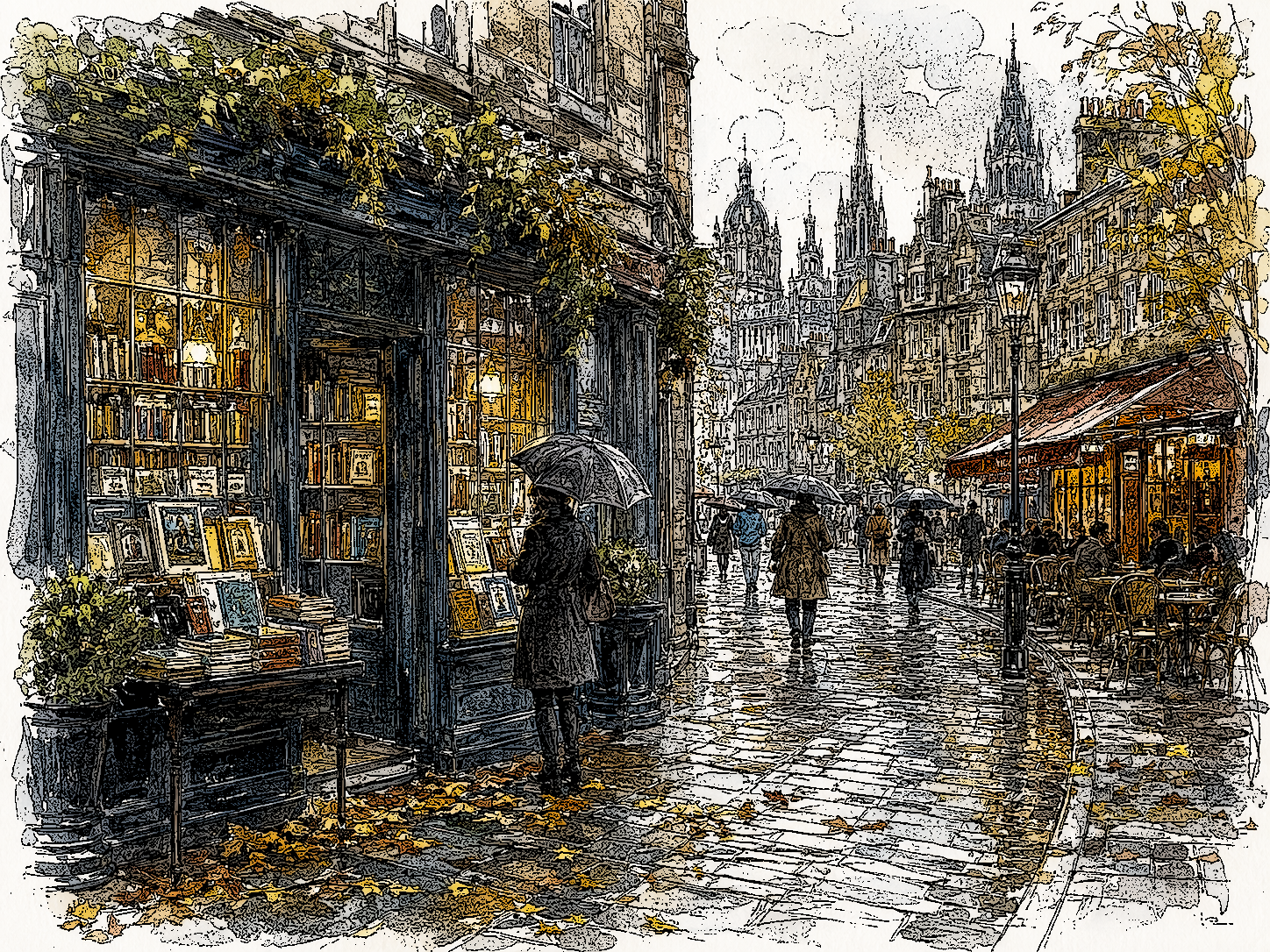
Autumn in Europe has a festival calendar with more depth than many travellers realise.
Oktoberfest may be the loudest name in the room, and it has earned that position. Munich’s 191st Oktoberfest runs from 19 September to 4 October 2026, bringing millions of visitors to the Theresienwiese for one of Europe’s most recognisable folk festivals.
But autumn travel in Europe should not begin and end in a beer tent.
Across the continent, September, October, and November bring a wider range of festivals that can shape richer itineraries: grape harvests, truffle fairs, film festivals, light installations, food markets, city-wide cultural celebrations, music programmes, and local traditions tied to agriculture, religion, history, and place.
For travel agents and tour operators, this creates a useful opportunity. Autumn festivals give clients a reason to travel beyond the summer rush and beyond the most obvious seasonal story. They turn a destination into something happening now, not just somewhere beautiful to visit.
The best festival-led itineraries are not built by adding an event into a spare afternoon. They are built by understanding what the festival reveals about the place.
Why Autumn Festivals Matter For Travel Planning
A good festival gives an itinerary a pulse.
It changes the way a city or region feels. Streets are busier in a different way. Locals gather. Menus shift. Public spaces become stages. Traditions become visible. A square that might otherwise be a sightseeing stop becomes part of a living calendar.
That matters for travellers who want more than landmarks.
In autumn, festivals can help operators build trips around food, wine, culture, film, music, rural life, urban identity, and seasonal change. They also offer a more specific reason to recommend September, October, or November rather than defaulting to July and August.
This is especially valuable because autumn already answers several common traveller concerns. It can offer more comfortable weather, fewer peak-summer crowd pressures, stronger cultural calendars, and better pacing for groups. Adding the right festival gives that seasonal argument more energy.
The important phrase is the right festival.
Not every event suits every traveller. Some festivals are wonderful for FIT clients but difficult for groups. Some are better for evening atmosphere than structured touring. Some create high demand, higher rates, traffic restrictions, restaurant pressure, or crowd management issues. A festival can lift an itinerary, but only when the logistics are handled properly.

Oktoberfest Is Big, But It Is Not The Whole Story
Oktoberfest remains one of Europe’s major autumn events, and for the right client, it can be a brilliant anchor. It works well for travellers interested in Bavarian culture, beer halls, folk traditions, music, food, and a high-energy city stay.
It is also not the only large folk festival in Germany.
Stuttgart’s Cannstatter Volksfest is another major autumn event, running from 25 September to 11 October 2026 at the Cannstatter Wasen. Stuttgart’s tourism information describes it as one of the world’s largest folk festivals, with the festival grounds set along the Neckar River.
For operators, this is useful because it opens up a broader southern Germany story. Munich, Stuttgart, Nuremberg, the Rhine, Bavaria, Baden-Württemberg, Austria, and Switzerland can all be combined in different ways depending on the client.
But the bigger point is this: autumn festival travel should not be reduced to beer festivals alone.
The season has more range than that.
Wine Harvest Festivals: Autumn At Its Most Place-Based
Wine harvest festivals are some of the strongest autumn travel hooks in Europe because they connect food, agriculture, landscape, local pride, and celebration.
They are also naturally regional. A wine harvest festival gives travellers a reason to go beyond the capital or headline city and into the countryside, smaller towns, river valleys, and vineyard regions that often make autumn Europe feel especially rich.
In Spain, the Rioja Wine Harvest Festival in Logroño runs from 19 to 25 September 2026. Spain’s official tourism site describes the festival, also known as the San Mateo festivities, as including activities such as the traditional foot-crushing of grapes and the offering of the first must to the Virgen de Valvanera.
In Paris, the Fête des Vendanges de Montmartre brings a very different version of harvest culture into the city. The 93rd edition runs from 7 to 11 October 2026, with the Montmartre harvest festival built around music, neighbourhood celebration, and the 18th arrondissement’s local identity.
These two examples show why harvest festivals are so useful for operators. Rioja can support a broader northern Spain food and wine route, pairing Logroño with Bilbao, San Sebastián, Haro, Laguardia, Burgos, or the Basque Country. Montmartre, by contrast, can add seasonal texture to a Paris stay without requiring clients to leave the city.
The itinerary question is not simply, “Which wine festival is famous?”
The better question is, “Does this festival help the traveller understand the region better?”
Food Festivals Give Autumn A Stronger Selling Point
Food is one of autumn’s most persuasive travel arguments.
The season brings grape harvests, mushrooms, chestnuts, truffles, olive oil, game, apples, pears, figs, cheese, hearty regional dishes, and markets that feel closely tied to local production. Food festivals allow operators to make that seasonal richness visible.
Piedmont is one of the clearest examples. The International Alba White Truffle Fair runs from 10 October to 6 December 2026, and the official event site lists the Alba White Truffle World Market on Saturdays and Sundays during that period.
This is not just a food event. It can anchor a full autumn itinerary through Alba, Turin, Barolo, Barbaresco, Langhe, Roero, Monferrato, and the wider Piedmont region. Wine, hazelnuts, truffles, hill towns, slow lunches, and seasonal markets can all become part of the story.
Slovenia offers another useful autumn food-and-wine angle. Ljubljana Wine Route marks St Martin’s Day with Slovenian wines and festive autumn cuisine, with its 2026 Martinovanje event listed for November in Ljubljana’s Zvezda Park.
For operators, these festivals create a more interesting way to sell autumn than simply saying “there are fewer crowds.” They give the season flavour, literally and commercially.

Film Festivals Bring Cities Back Into Cultural Focus
Autumn is also a major cultural season in Europe, especially for film.
This matters because not every autumn trip needs to be rural, harvest-led, or food-focused. Some clients want cities, premieres, creative energy, red carpets, cinema, galleries, cafés, and cultural calendars that feel alive after the summer lull.
The Venice International Film Festival is one of Europe’s major early-autumn cultural events. The 83rd Venice International Film Festival is being held on the Venice Lido from 2 to 12 September 2026.
In the UK, the 70th BFI London Film Festival takes place from 7 to 18 October 2026, with screenings across central London venues and the Southbank Centre’s Royal Festival Hall hosting gala programming.
Vienna also becomes a strong autumn film destination through the Viennale. The 2026 edition runs from 22 October to 3 November, with the festival described as Austria’s most important international film event and one of the best-known festivals in the German-speaking world.
These events are not always suited to traditional group sightseeing. Tickets, access, accommodation demand, and crowd patterns need careful handling. But they can add real value for FIT travellers, arts clients, alumni groups, cultural groups, media-related incentives, and travellers who want Europe’s cities to feel contemporary rather than only historic.
Light, Art And City Festivals Extend Autumn Into The Evening
Autumn also suits festivals that use shorter days as an advantage.
As evenings arrive earlier, cities can turn light, projection, music, and public space into part of the visitor experience. This is especially useful for itineraries that need evening atmosphere without relying only on restaurants or nightlife.
Prague’s Signal Festival is a strong example. The 2026 edition runs from 15 to 18 October, with the official site describing it as a festival of digital and creative culture and listing routes through Prague with installations, projections, immersive work, and performances.
Barcelona’s La Mercè also shows how autumn city festivals can reveal local identity. Barcelona City Council describes La Mercè as a major city event and “macrofestival” made up of street arts, popular culture, BAM, Música Mercè, and hundreds of activities.
Events like these can be powerful, but they need practical planning. Large city festivals can affect traffic, access, hotel demand, restaurant availability, and evening movement. For groups, a good plan should include clear meeting points, realistic walking distances, transport alternatives, and enough flexibility to let the atmosphere feel enjoyable rather than chaotic.
What Festivals Add To An Autumn Itinerary
The value of a festival is not just entertainment.
A well-chosen festival can give an itinerary shape. It can explain why clients should travel in a particular month. It can turn a regional route into a seasonal story. It can help operators create urgency without relying on artificial sales pressure.
Autumn festivals can support:
- Food and wine itineraries
- City breaks with stronger cultural calendars
- Regional touring beyond capital cities
- Student and educational travel
- Special-interest groups
- FIT and premium leisure travel
- Incentive programmes
- Rail-friendly multi-city routes
- Repeat travellers looking for a fresher Europe angle
This is useful because many travellers already know the big European names. They do not need to be convinced that Paris, Venice, Vienna, Barcelona, Munich, or Prague exist. They need a more interesting reason to go now.
A festival gives that reason.

How To Choose The Right Festival For The Client
Not every festival should be sold to every traveller.
Some clients want energy, music, crowds, and big public events. Others want food, countryside, smaller groups, and slower regional touring. Some want cultural depth. Some want premium access. Some want something highly photogenic. Some want something local and less commercial.
Operators should look at several planning questions before building around an autumn festival:
- Is the festival the main reason for travel or an added seasonal layer?
- Does the event suit the client’s age, pace, interests, and comfort level?
- Are tickets, reservations, or special access required?
- Will accommodation prices or availability become difficult?
- Does the festival affect coach access, road closures, public transport, or walking routes?
- Is the event better for FIT, small groups, or larger groups?
- Does the itinerary include enough non-festival content?
- Will the destination still work if weather changes?
- Are there quieter alternatives nearby if the main event becomes too crowded?
The strongest itineraries use festivals as anchors, not as clutter.
A weak itinerary tries to squeeze in an event because it is happening nearby. A strong itinerary understands why that event belongs in the trip.
Autumn Festivals Work Best When They Are Connected To Place
The most memorable festival experiences are rarely generic.
They are specific to the destination. Rioja’s harvest festival belongs to wine country. Alba’s truffle fair belongs to Piedmont’s hills and kitchens. Venice Film Festival belongs to the Lido and the city’s long cultural power. Prague’s Signal Festival uses the city itself as part of the canvas. La Mercè reflects Barcelona’s civic identity and public culture.
This is why festival travel can be so valuable for operators.
It helps move itineraries away from interchangeable sightseeing. Instead of “three nights in a city with a guided tour,” the trip gains a reason, a rhythm, and a stronger sense of timing.
For travellers, this can make autumn Europe feel less like off-peak travel and more like the season when the destination reveals something particular about itself.
That is the real selling point.
The DMC View: Festivals Need More Than A Calendar Check
Festival-led travel can be excellent, but it needs careful coordination.
Dates matter. Routes matter. Hotel location matters. Local access matters. Group size matters. Public transport changes matter. Restaurants, guides, coaches, tickets, walking routes, crowd flow, and weather all affect how the experience feels on the ground.
At Europe Incoming, we help travel partners build autumn itineraries that use festivals intelligently, not accidentally. That includes food and wine events, harvest celebrations, cultural festivals, city events, rail-friendly routes, supplier coordination, local timing, and practical support across Europe and the UK.
Because Oktoberfest may be the famous autumn headline.
But Europe’s real autumn festival story is much bigger, richer, and more useful than one event.
FAQs About Autumn Festivals In Europe
What Festivals Happen In Europe In Autumn?
Europe has many autumn festivals, including beer festivals, wine harvest celebrations, truffle fairs, food festivals, film festivals, light festivals, music events, and city-wide cultural celebrations. Major examples include Oktoberfest in Munich, Cannstatter Volksfest in Stuttgart, Rioja Wine Harvest Festival in Logroño, Fête des Vendanges de Montmartre in Paris, the International Alba White Truffle Fair, Venice Film Festival, BFI London Film Festival, Viennale, Signal Festival in Prague, and La Mercè in Barcelona.
What Are The Best Food Festivals In Europe In Autumn?
Strong autumn food festivals in Europe include the International Alba White Truffle Fair in Piedmont, wine harvest festivals in Rioja and Montmartre, St Martin’s Day wine events in Slovenia, and regional harvest festivals across France, Italy, Spain, Portugal, Germany, Austria, Croatia, and Central Europe. The best choice depends on whether travellers want wine, truffles, markets, restaurants, rural traditions, or city-based food culture.
What Are The Best Harvest Festivals In Europe?
Some of Europe’s best autumn harvest festivals include Rioja Wine Harvest Festival in Spain, Fête des Vendanges de Montmartre in Paris, wine events across France and Italy, St Martin’s Day celebrations in Slovenia and Central Europe, and truffle festivals in Piedmont, Tuscany, Istria, and parts of France. These events are useful for itineraries focused on food, wine, countryside, culture, and regional identity.
Is Oktoberfest The Only Major Autumn Festival In Europe?
No. Oktoberfest is one of Europe’s best-known autumn events, but it is far from the only major festival. Autumn also includes large folk festivals such as Stuttgart’s Cannstatter Volksfest, major cultural events such as Venice Film Festival, BFI London Film Festival and Viennale, food events such as the Alba White Truffle Fair, wine harvest festivals, and city celebrations such as Prague’s Signal Festival and Barcelona’s La Mercè.
Is Autumn A Good Time For Festival Travel In Europe?
Yes. Autumn is one of the strongest seasons for festival travel in Europe because it combines cultural calendars, harvest traditions, food and wine events, more comfortable weather, and fewer peak-summer pressure points in many destinations. It is especially useful for travellers who want a trip built around local atmosphere rather than only sightseeing.
Are Autumn Festivals Good For Group Travel?
They can be, but they need careful planning. Some festivals are excellent for groups, while others are better suited to FIT travellers or smaller groups because of crowds, ticketing, transport, hotel demand, and access restrictions. A DMC can help assess whether a festival will improve the itinerary or create unnecessary friction.
How Should Tour Operators Use Autumn Festivals In Europe Itineraries?
Tour operators should use autumn festivals as seasonal anchors, not random add-ons. The festival should support the wider itinerary theme, whether that is food, wine, culture, film, music, city life, or regional travel. The programme should also include enough non-festival content, realistic timing, and practical logistics.