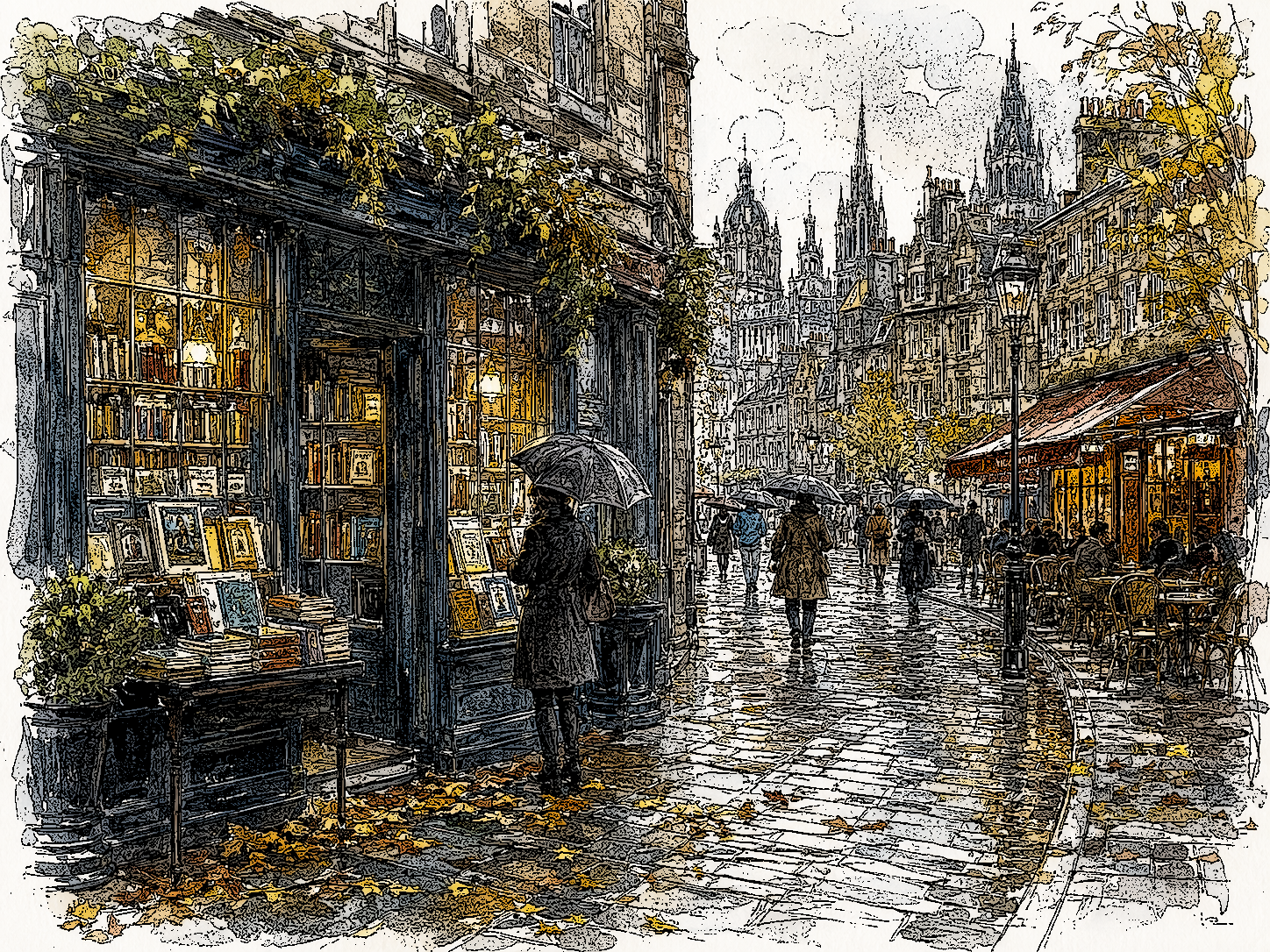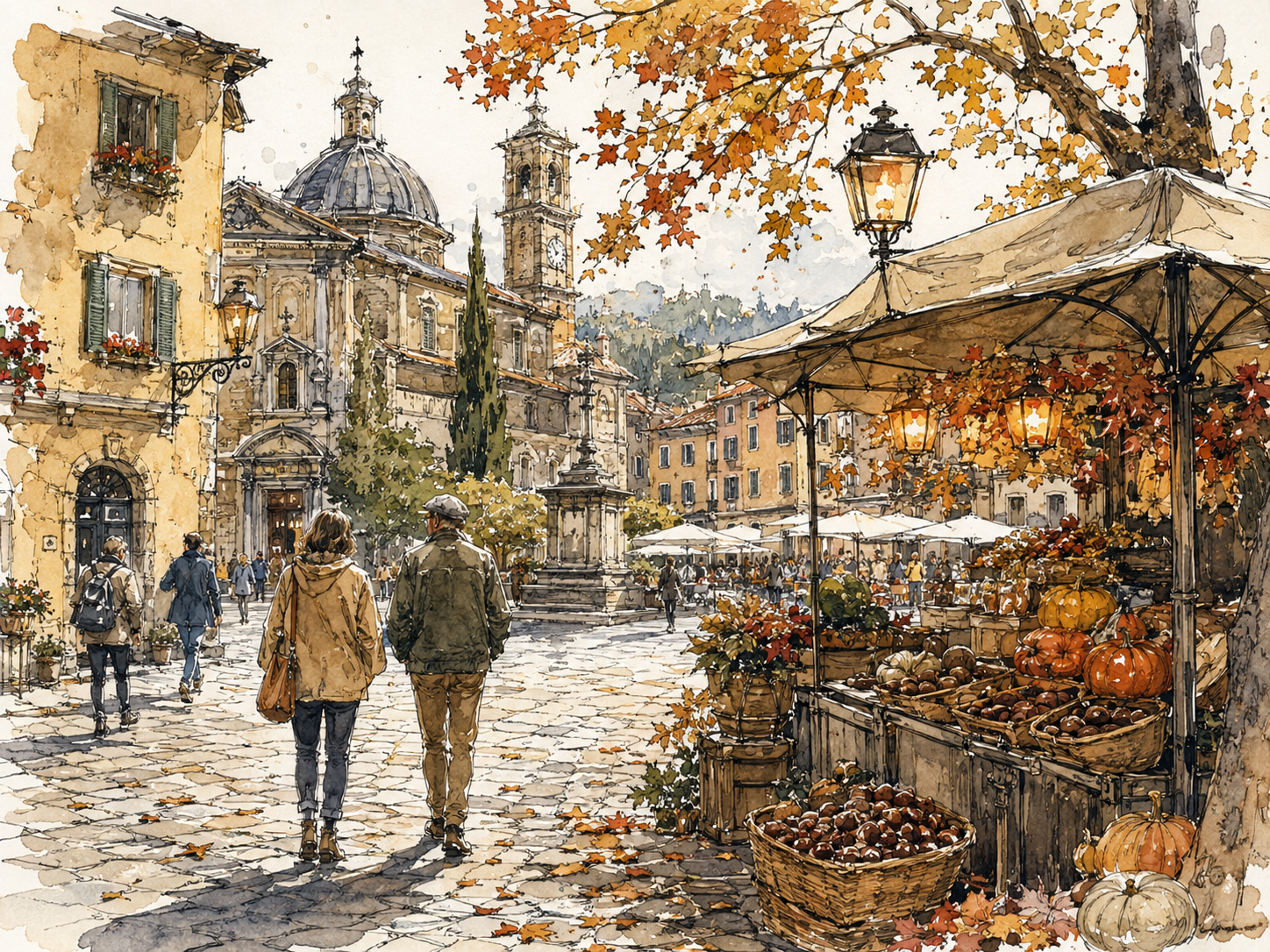
European summer will always have its place. The long days, busy terraces, open-air concerts, coastal routes, and grand city breaks are part of what makes the continent so magnetic.
But for travel agents and tour operators, summer is no longer the only season worth building around.
Autumn has quietly become one of the strongest travel windows in Europe, especially for clients who want culture, comfort, food, wine, scenery, and a better-paced experience. It still has warmth in many regions. It has fewer crowd pressure points than July and August. It has a deeper local rhythm. It also gives operators more room to design trips that feel thoughtful rather than overstuffed.
That matters because travellers are still very interested in Europe, but they are becoming more selective. The European Travel Commission reported that 81% of Europeans planned to travel between June and November 2026, with safety, affordability, and climate considerations shaping destination choices.
That is the autumn opportunity in one sentence: demand is still strong, but travellers want trips that feel better planned.
Autumn Is Not A Backup Season
Autumn is often described as “shoulder season,” which makes it sound slightly apologetic. As if September, October, and November are just the quieter corridor between summer holidays and Christmas markets.
That undersells it.
For many destinations, autumn is not second-best. It is when the destination starts to make more sense.
Cities become easier to walk. Restaurants feel less rushed. Historic centers are still lively, but less compressed. Wine regions come into their own. Cultural calendars pick up again after the summer lull. Hotels and suppliers may have more flexibility than they do in peak season, depending on the destination and travel dates.
In practical terms, this can produce a better guest experience.
A Paris, Rome, Vienna, Madrid, or Prague itinerary in autumn can feel very different from the same route in August. The landmarks are still there. The food is still there. The museums, neighborhoods, and day trips are still there. But the temperature, crowd flow, and pace of the day often work more naturally.
For groups, that difference is not cosmetic. It affects timing, walking comfort, coach logistics, restaurant availability, guide energy, and the overall mood of the trip.

Why Autumn Works So Well For Modern Travellers
There is a simple reason autumn travel is becoming more attractive: it answers several current travel concerns at once.
Many travellers still want the big European experience, but they are asking more careful questions before they commit. Will it be too hot? Will the destination feel overcrowded? Will the trip still feel good value? Will there be enough atmosphere outside peak summer? Will the itinerary work for different ages and energy levels?
Autumn gives operators a stronger answer to many of those concerns.
The weather is often more comfortable for sightseeing. The crowds are usually easier to manage, especially outside major event dates. Food and wine experiences have more seasonal depth. City culture feels alive again as theatres, galleries, concert halls, and local calendars move into a new rhythm. Lonely Planet’s 2026 guide to Europe by season highlights September and October for thinning crowds, shoulder-season pricing, wine harvests, and major events such as Venice Film Festival and Oktoberfest.
This is not just useful for leisure travellers. It is useful for student groups, cultural groups, faith groups, special interest tours, incentive travel, and FIT programmes that need more than a pretty backdrop.
Autumn gives the itinerary texture.
The Comfort Factor Is Becoming Harder To Ignore
One of the biggest shifts in European travel is that seasonality can no longer be treated as a small detail.
Heat, crowds, pricing, and destination pressure are now part of the planning conversation. The European Travel Commission has noted that pleasant and stable weather is one of the factors influencing destination choice, alongside safety and deals.
This is especially important for group travel.
A couple travelling independently can pause in a café, skip a walking tour, or change dinner plans if the weather is uncomfortable. A group has a different rhythm. There are coach times, guide schedules, attraction bookings, restaurant reservations, luggage movements, and guests with different levels of mobility and stamina.
Autumn can make that rhythm easier.
Instead of pushing guests through a packed summer itinerary in high heat, operators can design days with more natural movement. Walking tours can be longer without feeling punishing. Outdoor visits can sit more comfortably in the schedule. Museum stops do not have to double as emergency cooling stations. Meals can feel less like a rescue mission.
This is not about avoiding summer altogether. It is about matching the right destination to the right season.
Fewer Crowds Can Mean Better Flow
Crowds do not only affect how a destination looks. They affect how a trip functions.
In peak summer, the pressure often appears in small operational ways: longer queues, slower group movement, limited coach access, tighter restaurant slots, fewer suitable hotel options, and more fatigue by the end of each day.
Autumn does not remove every one of these issues, especially in major cities or during big events. But it can reduce the constant friction that makes an itinerary harder to deliver.
That gives tour operators more room to build programmes around experience rather than survival.
A city route can include neighborhoods as well as landmarks. A regional stay can include markets, harvest experiences, scenic drives, and local restaurants. A multi-city itinerary can breathe between stops. A group can spend less time navigating bottlenecks and more time actually enjoying where they are.
For clients, this can feel more premium even when the itinerary is not necessarily more expensive.
Ease has value.
Autumn Is Food And Wine Season Across Europe
Food and wine are not side notes in autumn travel. They are often the reason the season works so well.
Across Europe, autumn brings harvests, regional festivals, wine events, mushroom seasons, olive harvests, truffle experiences, game menus, chestnut festivals, and seasonal markets. These are not manufactured “add-ons.” They are part of the natural calendar of many destinations.
That gives operators a stronger story to sell.
Italy in autumn is not just Italy with fewer tourists. It is Piedmont during truffle season, Tuscany during the grape harvest, Emilia-Romagna with richer food-led itineraries, and cities that are easier to explore between long lunches and cultural visits.
France in autumn is not just Paris after summer. It can be Burgundy, Bordeaux, Alsace, Provence, Normandy, the Loire Valley, or Champagne with food, wine, gardens, villages, and regional depth.
Spain and Portugal become especially interesting when the focus shifts beyond beach travel. Northern Spain, Rioja, the Douro, Porto, Galicia, Andalusia, and inland cultural routes can all offer strong autumn experiences.
Central Europe also becomes richer. Germany, Austria, Switzerland, Czechia, Hungary, Poland, Slovenia, and Croatia all have autumn stories to tell through food, festivals, landscapes, music, and architecture.
This is where autumn travel becomes more than “less crowded Europe.”
It becomes Europe with a better sense of season.
Culture Comes Back Into Focus
Summer can be wonderful, but it is not always the best time for culture-led travel.
Autumn often brings a return to city life. Local residents are back. Cultural calendars restart. Concert seasons, exhibitions, theatre programmes, literary events, food festivals, and academic calendars bring a different energy into European cities.
This matters for travellers who want more than sightseeing.
A cultural itinerary in autumn can be built around museums, music, architecture, food, history, design, literature, politics, faith, gardens, and regional identity without forcing everything into the heat and volume of peak summer.
For student groups, this is particularly useful. Autumn travel can support educational programming in a way that feels more focused and less chaotic. Cities are working cities again, not only visitor stages. That can make the learning experience feel more real.
For FIT travellers, autumn also gives more room for special interest travel. A client who loves gardens, wine, history, art, food, rail, wellness, or architecture may get a much stronger trip in October than in August.

The Month-By-Month Opportunity
Autumn is not one single travel season. September, October, and November each behave differently, and good planning should reflect that.
September: Summer’s Softer Second Act
September is often one of the easiest autumn months to sell. In many parts of Europe, the weather is still warm, the sea can still be pleasant in Mediterranean regions, and the worst of the August crowd pressure has started to ease.
This is a strong month for:
- Mediterranean travel with better pacing
- City breaks with warmer weather
- Wine regions and early harvest experiences
- Coastal routes without the highest summer intensity
- Multi-city itineraries
- Cultural groups and soft adventure travel
September can still be busy, especially in popular cities and major event destinations, so it should not be treated as empty. But it often gives operators a better balance between atmosphere and comfort.
Munich’s Oktoberfest also falls partly in September, with the 2026 event scheduled from 19 September to 4 October. That creates major demand in and around Munich, but it also opens the door to wider Bavaria, Austria, rail, food, and festival-linked itineraries when planned carefully.
October: The Heart Of Autumn Travel
October may be the strongest month for many culture, food, wine, and regional itineraries.
The light changes. The food gets richer. The crowds thin further in many places. City walking becomes easier. Countryside routes feel more atmospheric. Wine and harvest themes are still relevant across many regions.
This is a strong month for:
- Italy beyond the most obvious city triangle
- France wine, food, and châteaux routes
- Northern Spain and Portugal
- Alpine scenery and lake regions
- Central European cities
- Scotland, Ireland, and the UK for heritage travel
- Balkans and Adriatic routes after peak coastal pressure
October also works well for travellers who do not want a beach holiday but still want Europe to feel alive. It is not winter travel yet. It is cultural, layered, and full of seasonal color.
November: Europe’s Overlooked Window
November is more specific. It is not right for every traveller or every itinerary, but that is exactly why it can be useful.
This is the month for clients who value culture, museums, food, lower crowd pressure, and city atmosphere over warm weather. It can work well for educational groups, arts-focused itineraries, history travel, religious travel, culinary travel, and value-conscious clients who are happy with a quieter mood.
November can also create a natural bridge into festive travel. Some Christmas markets begin later in the month, though dates vary by destination and should always be checked before building a programme around them.
The key with November is expectation-setting. Do not sell it as leftover autumn. Sell it as a quieter, more reflective, more cultural version of Europe.
Where Autumn Works Especially Well
Autumn can work across much of Europe, but some destinations naturally lend themselves to the season.
Italy is strong for food, wine, cities, lakes, countryside, art, and regional touring. France works beautifully for Paris plus regional extensions, especially wine regions, gardens, châteaux, Normandy, Alsace, and Provence. Spain and Portugal offer strong autumn possibilities for food, wine, heritage, cities, and northern or inland routes.
Central Europe is excellent for culture-led travel. Vienna, Prague, Budapest, Kraków, Munich, Salzburg, Berlin, and Ljubljana can all work well in autumn, especially when paired with music, food, rail, architecture, or regional day trips.
The UK and Ireland also deserve attention. Autumn can suit literary travel, heritage routes, castles, countryside, whisky, gardens, theatre, university cities, and student groups. Scotland, in particular, has been receiving attention as some travellers look for cooler alternatives during Europe’s hotter periods.
The Alps are also valuable beyond winter skiing. Switzerland, Austria, Slovenia, northern Italy, and Alpine France can offer lakes, rail journeys, wellness, villages, cable cars, scenic drives, and autumn landscapes before the full winter season takes over.
The best choice depends on the traveller, not just the map.
Autumn Is Also A Smarter Routing Season
For tour operators, autumn is not only a destination story. It is a routing story.
Because demand patterns shift after peak summer, there may be more flexibility to build routes that are less obvious and more satisfying. Instead of pushing clients through Europe’s busiest gateways and hotspots, operators can look at:
- Secondary cities
- Regional airports
- Rail-friendly routes
- Fewer one-night stays
- Country-deep itineraries instead of rushed multi-country circuits
- City and countryside combinations
- Food, wine, and heritage corridors
- North-south routes that match changing weather
This connects neatly with another travel shift: Mastercard’s 2026 travel trends report notes that Europe remains strong for cultural, culinary, and journey-based travel, while rail travel is gaining momentum across the region.
Autumn is well suited to that kind of travel because the journey itself can become part of the experience. A rail route through Switzerland, Austria, Germany, France, Italy, Spain, or Central Europe can feel more relaxed when the trip is not fighting peak-summer heat and crowds at every stop.
What Tour Operators Should Consider When Selling Autumn Europe
Autumn is full of opportunity, but it still needs careful planning. It should not be treated as a low-maintenance version of summer.
Operators should think about:
- How weather changes between regions and months
- Which attractions reduce hours after summer
- Which hotels, restaurants, or seasonal suppliers close or change schedules
- Whether major festivals create demand spikes
- How daylight hours affect touring
- Whether the itinerary needs more indoor alternatives
- How to position the season positively in client-facing copy
- Whether the client wants warmth, culture, scenery, value, food, or fewer crowds most
The best autumn itineraries are not simply summer trips moved into October. They are designed around what autumn does well.
That could mean slower lunches, market visits, wine estates, museum-heavy days, scenic rail, theatre evenings, countryside stays, harvest events, university cities, or historic towns that feel better when the pace drops.
Autumn rewards specificity.

The DMC View: Autumn Gives Europe More Room To Breathe
For travel partners, autumn is one of the most useful seasons to sell because it brings together comfort, culture, value, and operational sense.
It helps answer many of the questions travellers are already asking. It gives groups more space to move. It lets destinations show a more local side of themselves. It can also help operators build programmes that feel less generic than the standard summer route.
But it still needs the right planning.
A strong autumn itinerary depends on knowing which destinations are genuinely better in September, October, or November, which routes are realistic, which seasonal experiences are worth including, and where supplier availability needs to be handled early.
At Europe Incoming, we help travel partners design European programmes that match the season, the traveller, and the realities on the ground. That includes routing, timing, supplier coordination, regional alternatives, rail planning, and practical support across Europe and the UK.
Because autumn is not Europe after the main event.
For many travellers, it may be the smarter way to experience it.
FAQs About Autumn Travel In Europe
Is Autumn A Good Time To Visit Europe?
Yes. Autumn is one of the best times to visit Europe for travellers who want comfortable sightseeing, fewer peak-summer crowds, seasonal food and wine, cultural events, and better-paced itineraries. September and October are especially strong for many destinations, while November can work well for culture, museums, value, and quieter city travel.
Where Is Best In Europe In September, October, And November?
In September, strong options include Italy, France, Spain, Portugal, Greece, Croatia, Central Europe, and the UK. October works especially well for food and wine routes, cities, countryside, rail travel, and cultural itineraries across Italy, France, Spain, Portugal, Germany, Austria, Switzerland, and Central Europe. November is best suited to museum-rich cities, cultural travel, food-focused trips, heritage routes, and early festive experiences.
Is Europe Less Crowded In Autumn?
In many destinations, yes. Autumn is usually less crowded than July and August, especially outside major events and school holiday periods. Popular cities and festivals can still be busy, so operators should plan carefully rather than assuming autumn always means empty streets.
What Are The Best Autumn Destinations In Europe?
Strong autumn destinations include Italy, France, Spain, Portugal, Germany, Austria, Switzerland, Slovenia, Croatia, Czechia, Hungary, Scotland, Ireland, and the UK. The best choice depends on the traveller’s interests, budget, travel dates, and preferred pace.
Why Should Tour Operators Sell Autumn Europe?
Autumn gives tour operators a stronger way to sell Europe beyond the peak summer rush. It can offer better comfort, richer food and wine experiences, stronger cultural programming, more manageable group movement, and smarter routing opportunities.
Is November Too Late To Visit Europe?
No, but November needs the right positioning. It is better for culture, history, museums, food, lower crowd pressure, and value-focused trips than for warm-weather travel. It can also work well as a bridge into festive travel, depending on the destination and Christmas market dates.