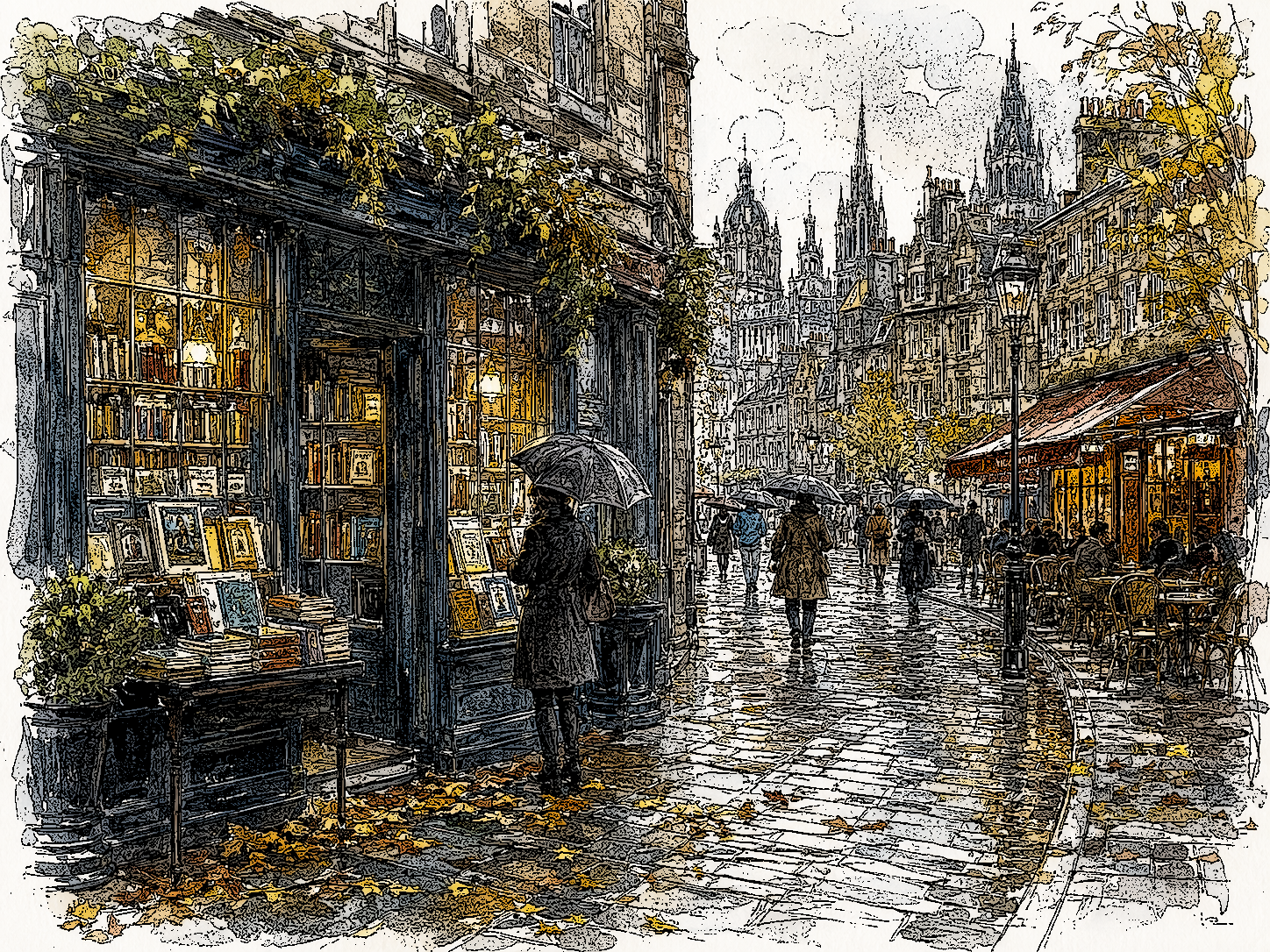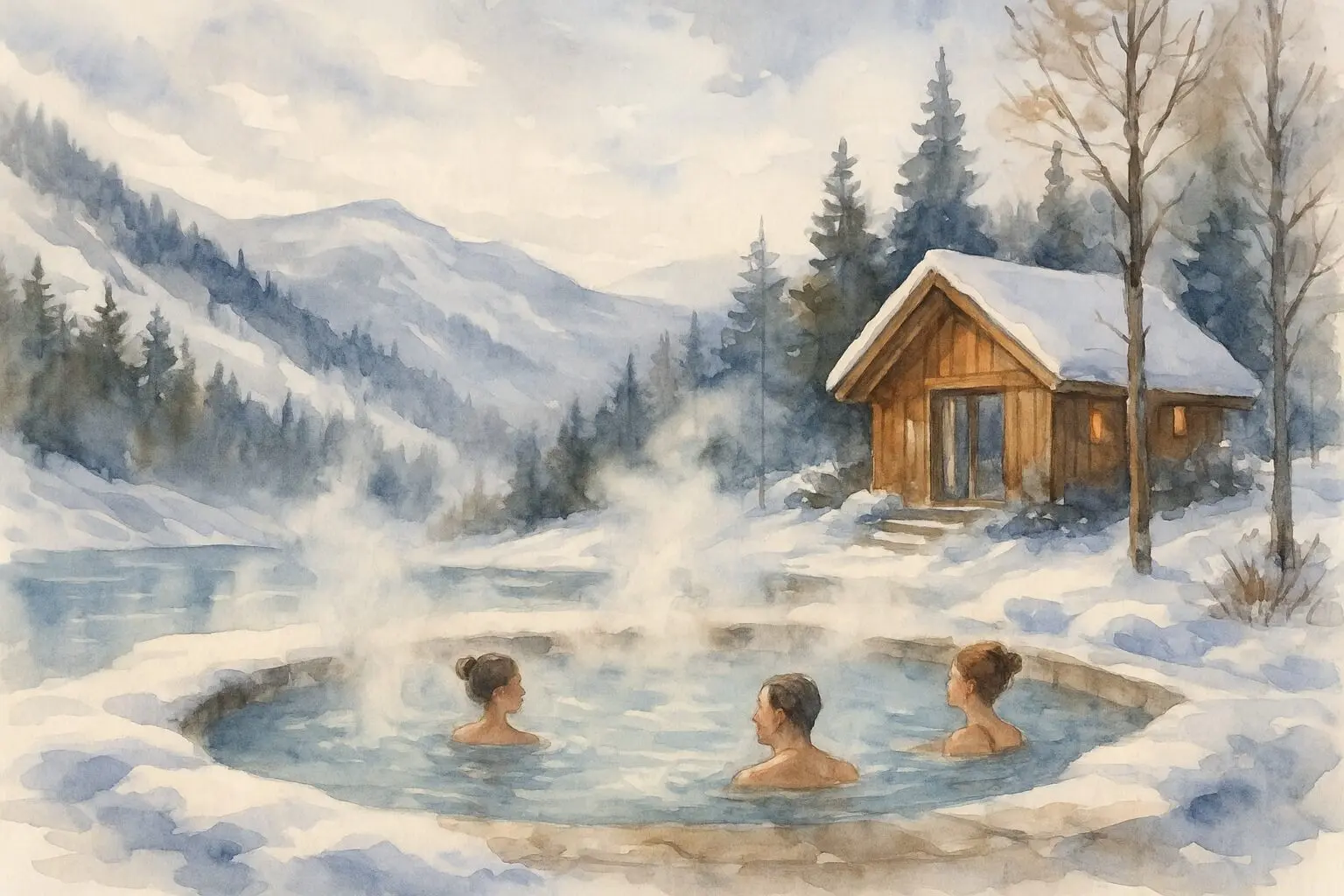
Summer might bring the crowds, but winter brings something far more valuable: stillness.
Across Europe, the colder months are quietly becoming the new high season for travellers seeking warmth of a different kind – slow mornings, thermal circuits, forest air, and menus that nourish more than they impress.
This isn’t a passing trend; it’s a shift in mindset. The modern traveller is no longer chasing endless activity. They’re seeking restoration; the kind that only Europe, with its centuries-old spa culture and soul-soothing landscapes, can offer.
For travel agents and operators, that change opens a window of opportunity. While others wind down for winter, wellness itineraries are quietly driving new bookings, creating balance between seasons and breathing room for both travellers and businesses alike.
The Rise of Winter Wellness in Europe
Wellness travel has always thrived in Europe — the birthplace of thermal spas, nature therapy, and the idea that rest is part of living well. But in recent years, the focus has expanded from “relaxation” to renewal.
Travellers aren’t just looking for spa weekends; they’re looking for ways to reconnect with themselves. The result? A steady rise in wellness retreats designed around rest, mindfulness, and natural immersion, and an increasing number of them are happening between November and March, when the continent slows down and space opens up.
The post-pandemic shift toward self-care and intentional living only accelerated this demand. Off-season Europe now offers something summer never can: time, quiet, and access to experiences that feel both luxurious and human.
And for agents, this timing couldn’t be better. Lower winter rates mean higher-value inclusions – private guides, boutique properties, and multi-course “mindful menus” at prices that stay competitive. Winter wellness is where calm meets commercial sense.
Where It Works Best: Europe’s Winter Wellness Hotspots
Not all wellness experiences are created equal, and not every destination suits winter travel.
The beauty of Europe is that its landscapes lend themselves naturally to rest and renewal. From alpine air to coastal calm, these regions transform winter from a slow season into a soul season.
Here’s where the shift toward off-season serenity is already taking hold:
a. The Alps – Where Wellness Climbs Higher
France, Switzerland, and Austria are redefining their winter identity. The same peaks that draw skiers are now home to a growing wave of mountain wellness retreats that focus on restoration, not recreation.
Think slow mornings overlooking snow-covered valleys, guided breathing at altitude, and evenings in warm spa chalets where silence is part of the experience.
For agents: The Alps work perfectly for clients who might usually book active winter holidays. Many alpine hotels now offer dual packages – morning yoga or snowshoeing paired with hydrotherapy or sauna circuits. Position these as “active recovery escapes” rather than typical wellness retreats.
b. The Nordics – Authentic Wellness, Frozen in Time
Finland, Sweden, Norway, and Iceland are masters of natural wellness — not the curated kind, but the cultural kind. Here, saunas, ice swims, and forest immersion aren’t trends; they’re traditions that have shaped how people live through winter for centuries.
Travellers seeking authenticity are drawn to this simplicity. Imagine floating in geothermal pools beneath the northern lights, hiking through snowy forests, or ending the day with herbal teas beside a crackling fire.
For agents: The Nordics suit smaller, experience-driven groups who want depth over luxury. Package authentic local rituals (sauna and plunge, forest yoga, wild-food workshops) rather than glossy spa settings. Sustainability messaging resonates strongly with this audience.
c. Central Europe – Thermal Heritage Reimagined
Budapest, Slovenia, and the Czech Republic have long been Europe’s spa heartland, places where mineral water and architecture meet in timeless design. What’s changed is the presentation. The new generation of thermal wellness combines historic bathhouses with contemporary spa science and boutique accommodation.
Budapest’s Széchenyi Baths still welcome thousands, but smaller wellness hotels in Slovenia’s Rogaška Slatina or the Czech town of Karlovy Vary offer more intimate, restorative settings ideal for private groups or curated retreats.
For agents: These destinations strike the balance between affordability and authenticity. Central Europe remains one of the best-value regions for student wellness travel or mid-market group programs. Focus on thermal + cultural itineraries that pair morning spa sessions with local walking tours or regional cuisine.
d. The Mediterranean – Warmth Beyond Weather
Greece, Italy, and Portugal may not promise beach days in winter, but they do offer something even rarer: peace. Mild temperatures, open coastlines, and a slower rhythm of life create the perfect environment for reflective wellness programs.
In Greece, winter brings gentle island retreats focused on mindfulness and movement. In Portugal’s Algarve, restored quintas (farmhouses) host yoga and culinary wellness weeks. In southern Italy, slow-food and olive-harvest experiences blend nutrition with nature.
For agents: The Mediterranean is ideal for low-stress logistics; mild weather, easy transport, and broad accommodation choice. Sell it as “seasonal renewal” rather than “off-season travel.” Position it around nourishment, light, and balance – the antidote to northern winters.
Each of these regions offers something distinct, but together they reveal the same story: when Europe slows down, its true wellness potential emerges.

Why Winter Works for Wellness
Winter doesn’t compete with Europe’s peak season. It complements it.
When the summer crowds disappear, a different kind of traveller arrives: the one seeking quiet, personal space, and depth of experience.
That change in pace creates opportunities most agents overlook.
Here’s why winter wellness isn’t just feasible, it’s smart business.
1. Better Pricing, Bigger Margins
Hotels that are fully booked in July suddenly have availability and flexibility in January. This allows agents to create premium-feeling packages (boutique accommodation, private transfers, dedicated instructors) at mid-season prices.
Off-peak travel means better value for clients and better margins for you. A well-structured five-day winter retreat can deliver the same profit as a high-summer tour, but with far less operational strain.
2. More Space, Less Stress
In winter, Europe slows down. Cities breathe again. Wellness venues that feel rushed in summer – spas, thermal baths, yoga studios – return to their natural rhythm. That means smaller groups, calmer energy, and a more genuine sense of connection between travellers and their surroundings.
For agents, this translates into smoother operations: less crowding, fewer delays, and a more flexible itinerary design process.
3. Access to the Best Talent and Venues
During shoulder and winter months, top instructors, chefs, and wellness venues often have more time for private bookings and collaborations.
Instead of fighting for space, you can secure exclusive sessions, use premium facilities, or work directly with local experts who are normally fully booked in high season.
This opens creative room for designing bespoke experiences.
Think:
- A private sound bath in an alpine spa.
- Chef-led Mediterranean “mindful menus.”
- A forest walk led by a local naturalist rather than a generic guide.
4. Wellness Feels More Authentic in Winter
There’s something about the European winter. The soft light, the slower rhythm, the quiet streets… It all naturally supports the mindset of restoration.
It feels seasonal, not staged.
Clients aren’t escaping life; they’re reconnecting with it.
From thermal circuits in Central Europe to sauna rituals in Finland, winter wellness blends seamlessly with culture and environment, making every itinerary feel organic, not manufactured.
When you combine lower costs, deeper experiences, and calmer logistics, winter stops being the “off-season”, it becomes the optimal season for wellness travel.
How Agents Can Package Winter Wellness Travel
The secret to selling winter wellness isn’t just in the destination. It’s in how the experience is designed. When done well, these itineraries don’t feel like off-season alternatives. They feel like intentional escapes.
Here’s how agents can build and brand them effectively:
1. Blend Wellness With Culture
Wellness isn’t limited to yoga mats and massages. Europe’s strength lies in how culture and self-care intersect through food, architecture, nature, and community.
Combine wellness rituals with local immersion:
- A geothermal spa afternoon followed by a traditional Icelandic dinner.
- Forest meditation paired with wine tasting in Slovenia.
- Thermal baths in Budapest followed by an architectural walking tour.
This balance between rejuvenation and discovery gives itineraries depth — and makes them easier to market to groups who might not see themselves as “wellness travellers.”
2. Offer Modular Formats
Winter wellness travellers aren’t always looking for two-week escapes. Shorter, flexible programs fit more easily into the off-season calendar.
Design 3-, 5-, and 7-day modules that can be adapted by audience:
- 3 days for urban wellness (thermal circuits, mindful menus, walking tours)
- 5 days for restorative nature escapes (yoga, forest bathing, local immersion)
- 7 days for full retreat programs (guided sessions, workshops, spa access)
These formats work across demographics, from student wellness trips to luxury small groups, and make packaging and pricing simpler.
3. Sell Serenity as Luxury
Winter wellness isn’t about five-star glamour. It’s about five-star calm.
Quiet spaces, smaller groups, and slow itineraries are increasingly perceived as premium experiences, especially when the world outside feels rushed.
Agents who frame this well see higher conversion rates. Focus your marketing on ideas like:
- “Time to reset.”
- “Luxury in stillness.”
- “A season made for restoration.”
It’s not about scarcity. It’s about space.
4. Tell a Story of Warmth, Water, and Woods
Wellness sells through feeling, not logistics. Build your packages around sensory storytelling.
Use evocative descriptions in itineraries and marketing:
- The steam rising from a mountain spa.
- The scent of pine after snowfall.
- The glow of a Mediterranean meal eaten by candlelight.
This approach invites the traveller into the atmosphere before they even book. You’re not just offering a trip. You’re offering a seasonal state of mind.
When your winter wellness packages focus on connection, calm, and culture, they stop feeling like low-season fillers and start feeling like signature experiences.

Operational Notes: The Calm Behind the Calm
Wellness travel might look effortless, but behind every peaceful itinerary is careful precision. The smallest operational details – timing, ratios, even lighting – can make or break the experience.
Here’s how to keep the calm running smoothly behind the scenes.
1. Dietary Planning: Balance and Clarity
Wellness groups come with diverse dietary needs. Collect this information early and map it against each venue’s capabilities.
Create a simple dietary matrix for your local teams. One page that aligns meals, preferences, and restrictions across the itinerary. Where possible, pair venues that use local, seasonal produce and offer Mediterranean-inspired “mindful menus.”
It’s not just about food. It’s about energy management.
2. Instructor Ratios: Keep It Personal
Wellness thrives on attention and connection. For groups of 20–24 travellers, plan for two qualified instructors; one leading, one supporting.
This ensures flexibility for split sessions (e.g. gentle yoga vs. movement therapy) and helps maintain safety and flow during multi-activity retreats.
Tip: Confirm language preferences early to match instructors and guests effectively.
3. Contingency Plans: The Weather Factor
Winter brings beauty and unpredictability. Always have indoor alternatives that preserve the intent of each session.
If a forest walk gets rained out, offer guided meditation with nature soundscapes.
If a sea-view yoga class is cancelled, move to an indoor space with soft lighting and aromatherapy.
The secret is to protect the emotional arc of the experience, even when the schedule shifts.
4. Flow and Timing: Honour the Season
Winter light is soft and fleeting, so use it. Plan outdoor elements mid-morning when the sun is gentle but bright, and move introspective work (breathwork, journaling, spa) into the later afternoon as daylight fades.
This rhythm mirrors the natural energy of the season; active in the morning, reflective in the evening.
5. Guest Communication: Manage Energy, Not Just Itineraries
Wellness travellers value transparency and ease. Share each day’s flow the night before, emphasising rest periods and optional elements.
Encourage them to unplug, not over-plan. The more your guests understand the intention behind the schedule, the more present they’ll be in the experience.
When the logistics flow smoothly, the serenity feels genuine and not staged.
That’s the real art of winter wellness: designing experiences that look effortless because every detail already works in harmony.
Why This Trend Isn’t Seasonal — It’s Structural
Winter wellness isn’t a passing phase. It’s a redefinition of what travel means to people.
The shift began quietly, but it’s now reshaping the European tourism calendar. Travellers aren’t waiting for summer to explore anymore. They’re choosing moments of stillness over spectacle, renewal over recreation.
And that mindset isn’t tied to temperature. It’s tied to values.
1. From Escape to Intention
For years, wellness travel was framed as escape; a way to get away from the noise. Now, it’s about returning to what matters.
This is why winter resonates so deeply: it reflects that inward turn. Travellers use the season to slow down, recharge, and realign. The focus is no longer “how far can I go,” but “how well can I rest.”
2. From Luxury to Balance
High-end hotels are no longer competing on opulence alone. They’re competing on peace. Silence, space, and attention have become new forms of luxury. Experiences that feel rare in modern life.
That’s why a quiet wellness retreat in Slovenia or a candlelit dinner in Greece can now rival the prestige of a five-star city stay.
3. From Trend to Infrastructure
Europe has been building toward this shift for decades. Spa heritage, sustainable gastronomy, forest therapy, and slow travel initiatives… they all converge naturally into winter wellness.
For agents and operators, this means the foundation already exists. The infrastructure is ready. The demand is growing.
The opportunity isn’t to invent something new; it’s to connect the dots between culture, climate, and calm.
Travellers are no longer chasing a season. They’re chasing a feeling.
And that’s what makes winter wellness not a trend, but a transformation. One that’s here to stay.
Where Serenity Meets Strategy
The beauty of winter wellness is that it serves both sides of the industry.
For travellers, it’s a chance to slow down and to find stillness in the rhythm of Europe’s landscapes. For agents and operators, it’s a way to balance the calendar, transforming quiet months into a season of purpose and profit.
When planned well, these itineraries don’t just fill space between peak seasons; they deepen the brand experience. They show clients that you understand what people need. Not just where they want to go.
And that’s the real future of travel: experiences that restore, not rush.
At Europe Incoming, our teams across the continent help agents design exactly that; programs built around warmth, water, and woods that feel as effortless to sell as they are to experience. Because when calm becomes part of your strategy, growth starts to feel a lot more natural.